What is an electric forklift?
In modern logistics and warehousing, electric forklifts
are essential tools for improving efficiency and reducing labor
intensity. An electric forklift is an industrial vehicle powered by
electricity and used for transporting, stacking, and loading and
unloading goods. Its key difference from traditional fuel-powered
forklifts lies in its drive system, which uses batteries and an electric
motor instead of an internal combustion engine.
Content
- 1 Core Advantages of Electric Forklifts
- 2 Electric Forklift Types and Applications
Core Advantages of Electric Forklifts
Electric forklifts
are gaining popularity among businesses due to their numerous unique
advantages, making them an ideal choice for indoor environments and
those with high environmental requirements.
Environmental Protection: Electric
forklifts produce zero emissions during operation, producing no exhaust
or harmful substances, perfectly meeting today's environmental and
sustainable development requirements. This makes them the preferred
handling equipment for industries with strict cleanliness requirements,
such as food, pharmaceuticals, and electronics.
Low Noise: Compared
to fuel-powered forklifts, electric forklifts operate with
significantly lower noise levels. In indoor warehouses, production
halls, or supermarkets, their low noise levels significantly improve the
working environment and protect the hearing health of operators and
other staff.
Low Operating Costs: While the
initial purchase cost may be slightly higher, the energy costs
(electricity) of electric forklifts are typically much lower than fuel
costs. Furthermore, their maintenance is relatively simple, with fewer
parts, resulting in lower maintenance requirements and costs.
Operational Flexibility and Ease of Use: Electric forklifts are typically compact, offering smooth and agile operation, making them particularly suitable for working in narrow aisles and confined spaces. Modern electric forklifts are equipped with advanced control systems, making driving and operation more precise and effortless.
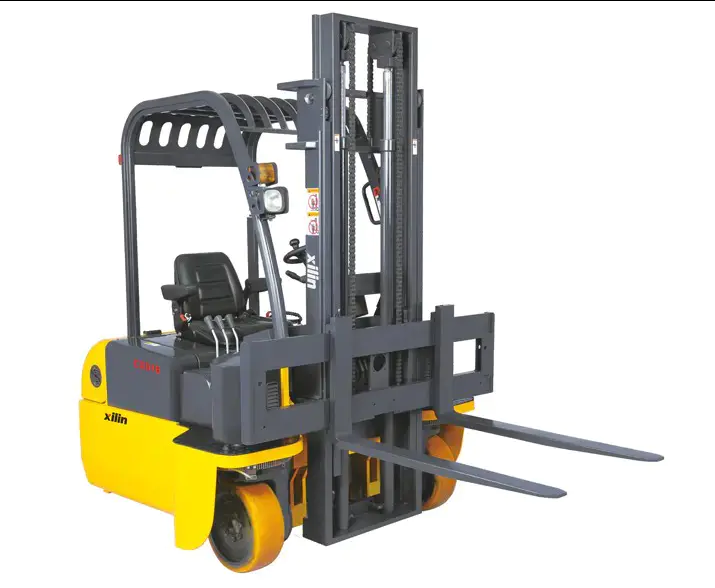
Electric Forklift Types and Applications
There is no single type of electric forklift. Depending on their structure and purpose, common types include:
- Counterbalanced Electric Forklift:
This is the most common type of electric forklift. The battery in the
rear of the forklift also acts as a counterweight to balance the load.
It is suitable for loading, unloading, stacking, and short-distance
transport of a variety of materials.
- Reach Electric Forklift:
Designed for accessing and storing goods on high-bay racks, it features
a forward-reaching mast and a large lift height, yet its relatively
compact body makes it suitable for high-density warehousing.
- Electric Pallet Trucks (Electric Pallet Trucks): Primarily
used for horizontal transport of palletized cargo, they are quick and
easy to operate, making them a valuable tool for short-distance
transportation within warehouses.
- Electric Stackers:
Combining some of the functions of a pallet truck and a forklift, they
are primarily used for stacking operations, offer a moderate lifting
height, and are suitable for small and medium-sized warehouses.
Essentially, electric forklifts are modern material handling equipment that relies on electricity. With the continuous advancement of battery and motor technology, the new generation of electric forklifts continues to achieve breakthroughs in range, load capacity, and intelligence. They are gradually replacing gasoline-powered forklifts and becoming a vital tool in the global logistics and warehousing industry, helping businesses achieve more efficient and environmentally friendly operations.